← All articles
Infrastructure
Hosting QuickBooks Enterprise: Cloud, Local, or Hybrid
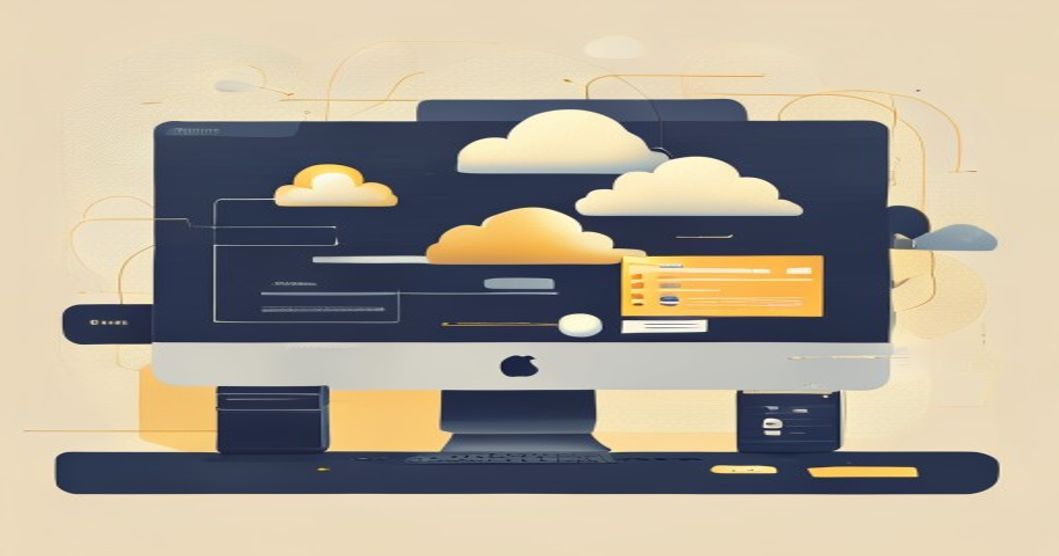
QuickBooks Enterprise is a desktop application, but where it runs is a decision, not a default. The file can sit on a server in your office, on a hosted machine in a data center, or in a hybrid arrangement that splits the difference. The choice shapes how fast the file feels, who can reach it, and what happens the day a drive fails.
There is no universally right answer, only the one that fits your team's geography, IT appetite, and tolerance for downtime. Here is how the three options actually compare once you get past the marketing.
Local server
The classic setup: Enterprise runs on a server in your office, and workstations connect over the LAN. On a good network it is the fastest option, because the data never leaves the building. You own the hardware and control every setting.
- Best raw performance for a co-located team.
- No monthly hosting fee.
- You own backups, patching, and after-hours failures.
- Remote access requires a VPN or remote-desktop layer you maintain.
Cloud hosting
An authorized hosting provider runs Enterprise on a machine in their data center, and your team connects through a remote session from anywhere. The provider handles backups, uptime, and the operating system. You trade a monthly fee for not owning the infrastructure.
Hosting does not change QuickBooks. It changes who gets the call at 2 a.m. when the server needs attention.
- Access from any location without a VPN.
- Provider-managed backups and redundancy.
- Predictable per-user monthly cost.
- Performance depends on each user's internet connection.
The hybrid middle ground
Hybrid keeps some functions local and pushes others to the cloud — for example, a hosted Enterprise file paired with local scanning, printing, or an on-premises integration that has to stay inside the network. It suits companies with a mix of in-office and remote staff who do not want to force everyone into one model.
How to choose
- Map where your users physically work. Distributed teams lean cloud.
- Be honest about internal IT. No IT staff leans cloud or hybrid.
- Count your integrations and whether they need local resources.
- Put a number on downtime. If an hour offline is expensive, buy managed redundancy.
Backups are the real question
Whatever the model, the file is only as safe as its last verified backup. Hosting shifts that responsibility to a provider; local keeps it with you. Either way, test a restore before you need one. A backup you have never restored is a theory, not a safety net.
The right hosting model is part of a healthy Enterprise setup, not an afterthought. Our QuickBooks Enterprise Implementation and Enterprise Health Check services help you pick the model and prove the backups work.